
Network infrastructure
Keep connections organized.
Rack layout, patching and cable management support the equipment that connects the site. Testing, labels and documentation need to match the installation requirements.
Structured Cabling
Projects & installations
Bring cabling, networks, devices, phones and connected-site systems into one practical project plan, from requirements through installation and handoff. Coordinate the work around your existing systems and the people who will use the finished space.
A project can stand on its own. You do not need a monthly managed-service agreement.
A project connects site requirements, installation, agreed checks and handoff records. The proposal defines dependencies, deliverables, responsible contacts and any ongoing support.
SAHAKA installation work
Network infrastructure
Rack layout, patching and cable management support the equipment that connects the site. Testing, labels and documentation need to match the installation requirements.
Structured Cabling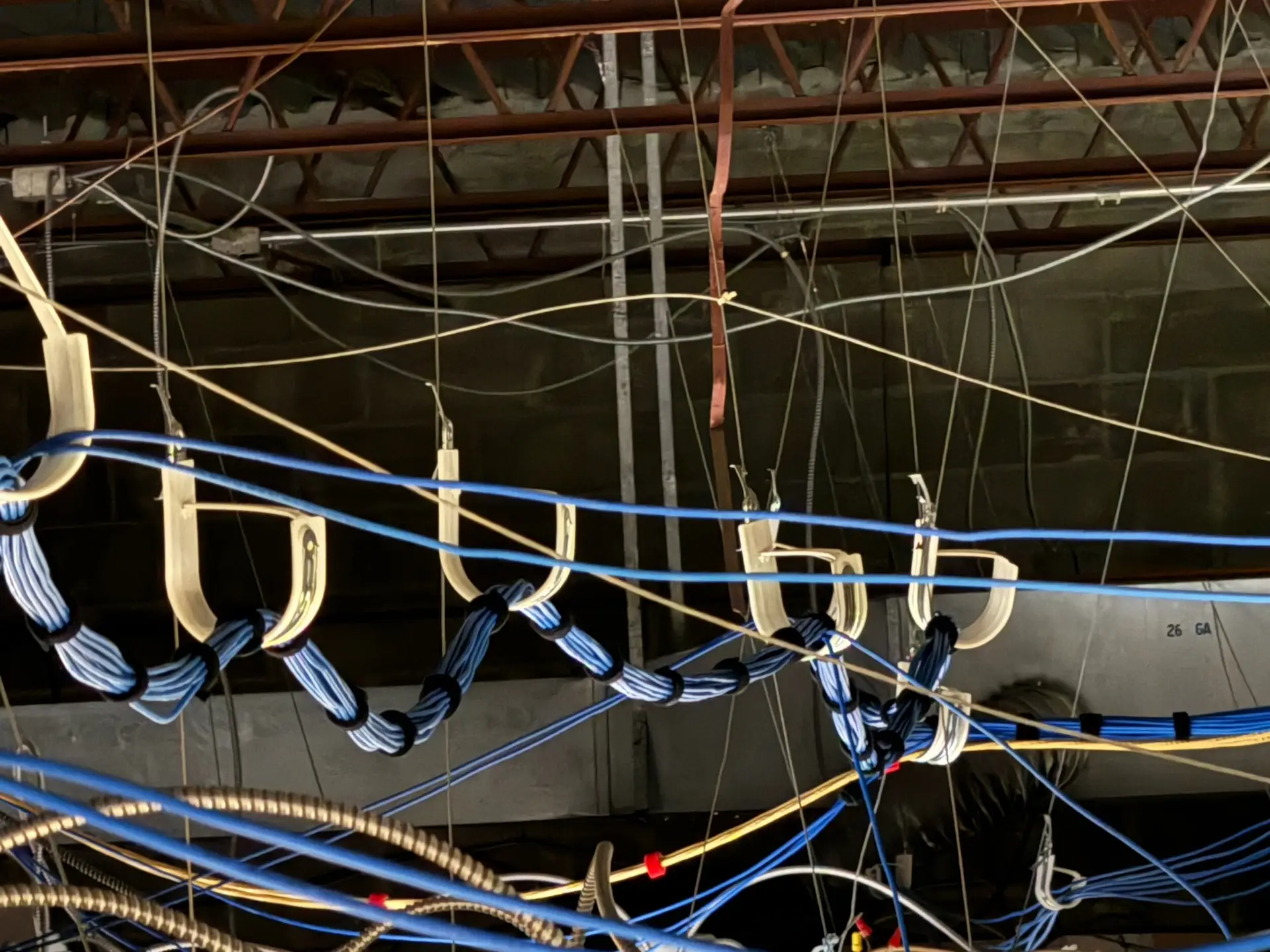
Inside the building
Cable pathways must account for the space, access and the systems being connected. Routes and termination points are part of planning a new location or changing an existing one.
Plan the installation and handoffWhat are you planning?
A new location, office expansion or equipment refresh can involve several systems. These project areas can be delivered together or as defined installations, depending on the work required.
Plan the physical connections around the space, the devices and the way the site will be used.
Explore structured cablingPlan an equipment rollout, network refresh, cloud migration or infrastructure change around the systems the business already depends on.
See project planning and handoffCoordinate a phone-system change with the people, connectivity and providers involved.
Explore VoIP ServicesBring commercial access and camera systems into the same plan as the network and cabling they depend on.
Explore access and surveillancePlan / install / hand over
A project proposal should identify the installation work, dependencies, acceptance checks and handoff. That keeps the equipment list connected to the work needed to put it into use.
Review existing infrastructure, equipment locations, routes, power and access. Identify the building contacts, trades and suppliers whose work affects the plan.
What needs a survey? What can be reused? Which decisions, permissions and dates are still open?
Set out the equipment, configuration and installation work in scope. Discuss the transition into use, any disruption to plan around and the changes that need separate approval.
Who approves the work, provides access and coordinates the dependencies? How will the agreed work be tested?
Set out the labeling, test results, configuration records and operating guidance the project requires. Record unresolved issues and identify who handles them and any ongoing support.
Who will administer the systems? Which records and acceptance checks are required, and what support is included afterward?
Plan your project
Send a high-level outline of your current systems and the change you need. If you already have plans or specifications, mention them so we can identify the details needed for a quote.
After installation
A project does not automatically include ongoing monitoring, user support or administration. If you need those services, we can plan an IT partnership alongside the installation.